
Simple Strategies to Increase Your Property's Value
Simple Improvements With Big Returns
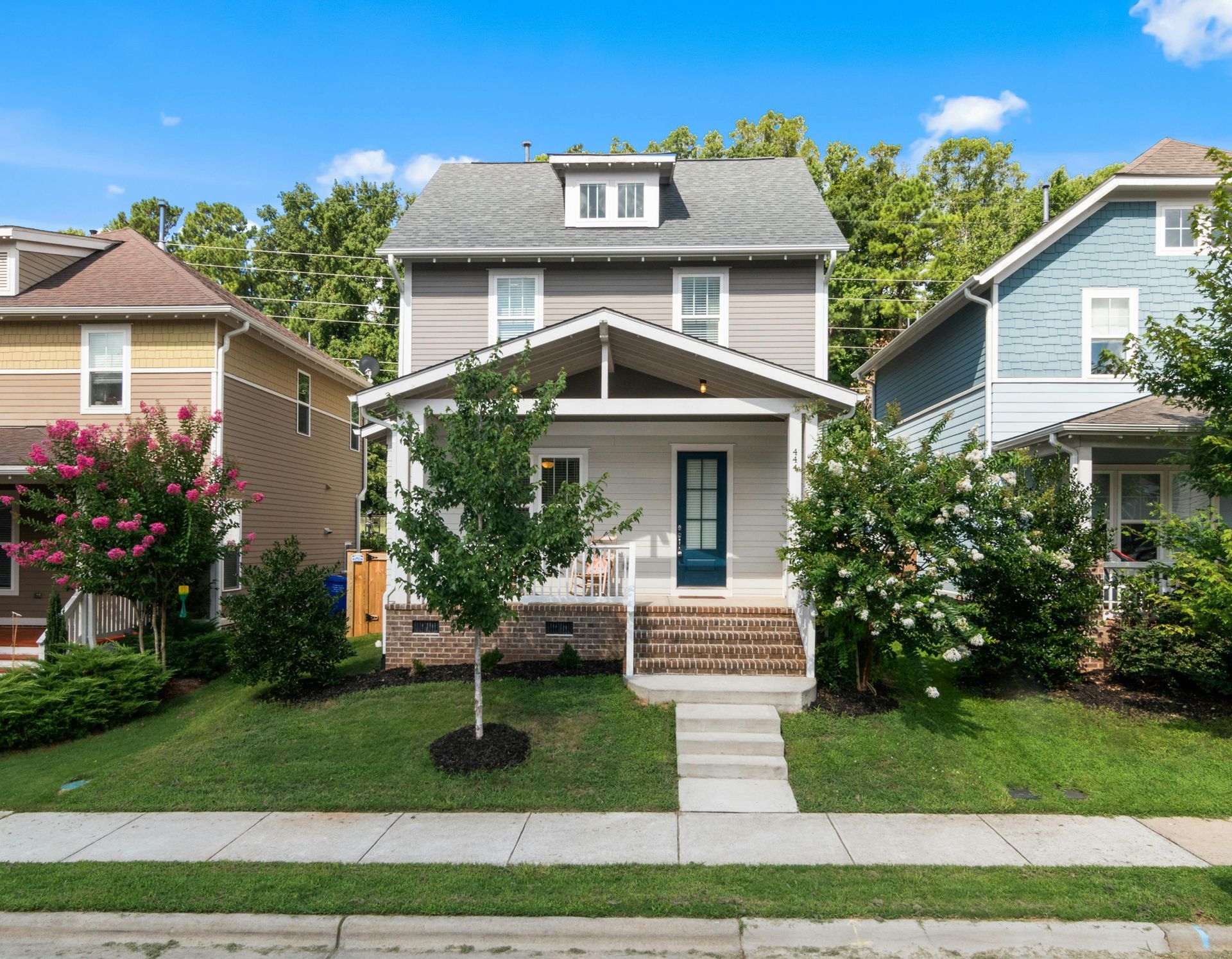
Improving a home’s value does not always require a major renovation. In fact, some of the most effective updates are often the least dramatic: a cleaner presentation, stronger curb appeal, thoughtful cosmetic improvements, and a home that photographs well and feels easy for buyers to imagine themselves in.
Whether you are preparing to sell, considering a future move, or simply maintaining one of your largest investments, the goal is not to spend the most. It is to make choices that improve perception, function, and marketability without over-improving for the neighborhood.
Start With Clutter, Cleanliness, and Visual Breathing Room
Before choosing paint colors or replacing fixtures, start with the simplest question: does the home feel clear, spacious, and well cared for?
Clutter has a way of making rooms feel smaller, closets feel inadequate, and surfaces feel more worn than they actually are. Bankrate lists cleaning and decluttering among the most practical ways homeowners can help improve a property’s appeal and perceived value.
Work room by room. Focus first on the spaces buyers notice most: the living area, kitchen, primary bedroom, bathrooms, and entry. Then move to closets, cabinets, pantries, garages, and utility areas. Buyers do open doors, and overstuffed storage can quietly suggest that the home lacks space.
A few low-cost organizing upgrades can also help: shelving, hooks, storage benches, bins, and systems that make the home feel more functional. The point is not to make the house look empty. It is to make it feel usable.
For homeowners who need a manageable place to begin, our 4-Week Declutter Plan breaks the process into smaller, realistic steps so preparing the home feels less overwhelming and more achievable.
Improve Curb Appeal Before You Overhaul the Interior
The exterior sets the tone before a buyer ever walks through the front door. A neat lawn, trimmed shrubs, weeded beds, clean hardscaping, and a refreshed entry can shape the first impression of the entire property.
The National Association of REALTORS® reported that standard lawn care service showed a 217% estimated cost recovery in its 2023 outdoor remodeling research. That does not mean every landscaping dollar returns equally, but it does reinforce a practical truth: basic exterior maintenance matters.
Start with the obvious:
- mow, edge, trim, and weed;
- pressure wash walkways and driveways where appropriate;
- repaint or refresh the front door if needed;
- replace worn house numbers, bulbs, or dated porch fixtures;
- add simple, well-maintained plantings rather than elaborate landscaping that may not suit every buyer.
Curb appeal should communicate care. Buyers often assume the exterior reflects how the rest of the property has been maintained.
Check out our guide: Staging for Curb Appeal. 👇

Make Interior Updates That Feel Purposeful
Not every seller needs a kitchen remodel or a bathroom gut job. In many cases, smaller improvements can create a fresher, more current impression without a major capital outlay.
Paint remains one of the most versatile updates because it can brighten rooms, reduce visual distractions, and help the home feel more cohesive. Bankrate also identifies fresh paint and energy-conscious improvements among practical home value strategies.
Depending on the home, purposeful updates may include:
- replacing dated cabinet hardware;
- updating faucets or light fixtures;
- refreshing grout or caulk;
- adding a clean backsplash;
- improving bathroom mirrors or vanity lighting;
- touching up worn trim, doors, or walls.
The strongest updates usually solve a visual objection or make the home feel better maintained. They should support the home’s price point and overall style rather than chase every passing trend.
Stage for Clarity, Not Just Decoration
Staging is not simply about making a room prettier. It is about helping buyers understand the purpose, scale, and flow of a space.
The National Association of REALTORS®’ 2025 Profile of Home Staging found that 29% of agents reported staging led to a 1% to 10% increase in the dollar value offered, while nearly half of sellers’ agents observed that staging reduced time on market. Those outcomes are not guaranteed, but they show why presentation deserves serious attention.
Some homes benefit from full professional staging. Others may simply need furniture edited, rooms rearranged, and distracting items removed. Start with what buyers see first online and in person:
- improve furniture placement so rooms feel open;
- maximize natural light;
- clean windows;
- simplify countertops and surfaces;
- add a few restrained accents where a room needs warmth.
The best staging makes a buyer think, “I can see how I would live here,” without feeling like the home is trying too hard.
Focus on Value, Not Just Spending
There is a difference between improving a home and over-improving it. Sellers do not need to chase every update they see on television or social media. The better question is whether a project will help the home show better, photograph better, compete more effectively, or avoid giving buyers an easy reason to discount it.
Decluttering, curb appeal, targeted interior refreshes, and intentional staging are not glamorous, but they are practical. Together, they can support stronger first impressions, broader buyer appeal, and a more polished market position.
At Cindy Coggins Realty Group, we help homeowners think strategically about preparation before listing. That means discussing which improvements may be worthwhile, which may not, and how to present a property in a way that fits the North Texas market and the home’s specific price point.
📞 Call or Text: (469) 499-7452
📧 Email:
cindycoggins@kw.com
⭐ See why so many clients trust us—check out our 5-star reviews on Google.
Sources:
Bankrate — “8 Easy Ways To Increase Your Home’s Value”
National Association of REALTORS® — “2023 Remodeling Impact Report: Outdoor Features”
National Association of REALTORS® — “5 Outdoor Projects That Pay Off the Most”
National Association of REALTORS® — “2025 Profile of Home Staging”
National Association of REALTORS® — “NAR Report Reveals Home Staging Boosts Sale Prices and Reduces Time on Market”
Disclaimer:
This article is for general informational purposes only and is not intended as financial, appraisal, tax, legal, contractor, remodeling, or investment advice. The value of any home improvement depends on the property, neighborhood, market conditions, workmanship, buyer expectations, and overall pricing strategy. Not every update will increase market value or produce a dollar-for-dollar return. Homeowners should consult the appropriate professionals, including a real estate agent, appraiser, contractor, inspector, CPA, or attorney, when evaluating property-specific decisions. Information is deemed reliable but not guaranteed.
Frequently Asked Questions About Improving a Home Before Selling
How do homeowners decide which project comes first?
Start with the project most likely to prevent a buyer from discounting the home. That may be an obvious defect, a dated feature shared by several key rooms, or a missing element buyers expect at the home’s price point.
Should homeowners spend money on rooms buyers use most?
Usually, yes. Entry areas, kitchens, primary bedrooms, primary bathrooms, and main living spaces tend to shape first impressions more than secondary rooms. That does not mean every room needs renovation, but the most visible spaces should feel consistent with the list price.
Can a project hurt resale value?
Yes. Highly specialized upgrades, overly bold finishes, removing bedrooms, reducing usable storage, or making permanent changes for a very narrow lifestyle can limit the buyer pool. Improvements should add usefulness without making the home harder for the next owner to adapt.
How can homeowners know whether a project needs a permit?
Ask the local municipality or a qualified contractor before starting. Structural work, additions, pools, electrical changes, plumbing work, and major mechanical updates may require permits or inspections. Missing documentation can become a question later.
Should homeowners replace something simply because it is old?
Not necessarily. Age alone is not always the issue. The better question is whether the item works properly, looks neglected, creates an insurance or financing concern, or is likely to become a buyer objection during inspection.
How should homeowners think about projects they will enjoy before selling?
Separate lifestyle value from resale value. A project may be worth doing because you will enjoy it for several years, even if it does not return every dollar at sale. The mistake is assuming personal enjoyment automatically equals a higher market price.
What should homeowners do when several improvements are needed but the budget is limited?
Create three categories: must address before listing, helpful if budget allows, and not worth doing. A focused plan is usually better than spreading money across many small projects that do not noticeably change the home’s overall position.
When should a homeowner ask for a pre-listing walkthrough?
Before committing to major work. A market-focused walkthrough can help identify what buyers in that price range are likely to notice, which improvements may matter most, and where the seller may be able to save money by leaving something alone.
Search Post
Recent Post









 Mr. Website Designer